LiST training in Sierra Leone
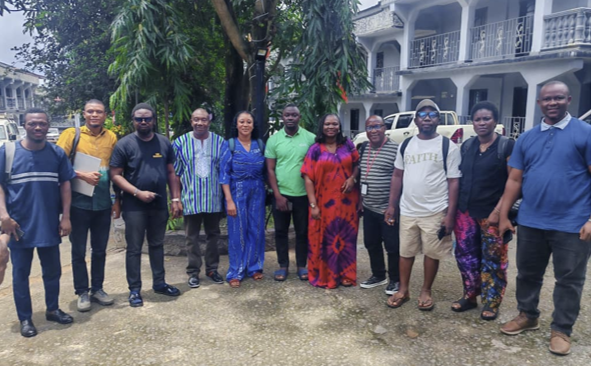
From 11 to 14 August 2026, Sierra Leone hosted a four-day Lives Saved Tool (LiST) training in Bo, with technical support from C4N-NIPN. The training strengthened national capacity to use LiST for evidence-informed nutrition and reproductive, maternal, newborn, child and adolescent health and nutrition planning, modelling, costing, prioritization and advocacy. Participants came from key national institutions, including the SUN and Food System Coordination Unit, the Ministry of Health, the Ministry of Agriculture and Food Security, Statistics Sierra Leone and related technical units.
The training combined technical presentations, demonstrations, country-relevant examples and hands-on exercises. Participants explored LiST concepts, nutrition pathways, maternal mortality modelling, subnational projections, missed opportunities analysis and the costing module. This practical approach enabled participants to move from understanding the tool’s foundations to applying it for scenario analysis, intervention prioritization and communication of results.
Feedback was strongly positive. Day 3 achieved the highest rating (1 = Not useful, 2 = Somewhat useful, 3 = Useful, 4 = Very useful, 5 = Extremely), with an overall mean score of 4.51 out of 5 and 95.9% of ratings at 4 or 5. Final-day sessions were also highly rated, with usefulness scores between 4.4 and 4.5 out of 5. Overall, 92% of valid opinions on training quality were satisfactory or very satisfactory, and content relevance reached 100% very satisfactory.
The mission generated strong immediate capacity gains and clear commitment to future use. Participants reported an overall self-sufficiency score of 2.7 out of 3, with no respondent indicating that they were not self-sufficient. All respondents said they intend to use or promote LiST for RMNCAH-N strategic planning and advocacy, and all considered the training useful for strengthening Sierra Leone’s nutrition information system.
Key follow-up priorities include mentoring trained participants, applying LiST to real Sierra Leone policy and planning questions, using national datasets, linking LiST outputs with NIMS and DHIS2 processes, and maintaining a community of practice. Sustained technical support will be essential to translate training gains into regular use of evidence for planning, budgeting, advocacy and monitoring.